
What to Expect When You Start on GIPGLP-1 Agonists
By John Smith, September 13, 2025
Imagine sitting in your doctor’s clinic, hearing that a new treatment could help with weight loss It sounds hopeful — but also brings questions. What will it do to your appetite? Will you feel different day to day?
That’s exactly what this guide is here for. We’ll explain how these medicines work, the benefits people often see, temporary changes your body may experience at the beginning, and the small lifestyle changes that make a big difference.
Medications that act on the incretin system (the natural hormones in your gut that help control blood sugar and appetite) —such as GLP-1 receptor agonists and dual GIP/GLP-1 agonists, have become an important option for people living with obesity .
These medicines work in a unique way: they help control appetite, slow digestion, and regulate blood glucose. For many, they can support meaningful weight loss and improve overall health when used alongside lifestyle changes.
This blog outlines how these medications work, the benefits they may provide, temporary effects, and the dietary and lifestyle steps that can maximize results.
What are GIP/GLP-1 agonists?
Glucagon-like peptide-1 (GLP-1) receptor agonists include medicines such as semaglutide In addition,dual incretin agonists like tirzepatide target both the GLP-1 and glucose-dependent insulinotropic polypeptide (GIP) pathways.
These drugs reduce food cravings, promote a sense of fullness, slow down the rate at which the stomach empties, and support blood glucose control. By addressing appetite and metabolism together, they have become some of the most effective modern treatments for obesity.
Benefits you can expect
The main expected benefit is weight reduction, as these medicines make it easier to eat less and feel satisfied with smaller portions. In addition, for people with diabetes, they help manage blood sugar levels.
Some patients also report reduced cravings, more consistent energy, and improved ability to follow a balanced diet. Early evidence suggests these therapies may have added advantages for heart and kidney health as well.
Managing your diet while taking GIP/GLP-1 agonists
To get the most benefit and minimize unwanted effects, it is important to follow structured dietary guidance. A helpful framework is the MEAL plan:
M – Muscle maintenance
- These medications, like every other weight loss intervention (including lifestyle modifications) may reduce not only fat but also muscle mass
- Aim for 1 to 1.5 grams of protein per kilogram of body weight daily if moderately active
- If appetite is very low, use protein shakes that contain at least 20 grams of protein per serving
E – Energy balance
- Appetite suppression is common, so smaller meals and snacks help maintain energy
- Good snacking options include fruit, a handful of nuts, or unsweetened yogurt
- Choose slow-digesting carbohydrates such as oatmeal or sweet potatoes rather than refined grains or sugary drinks, which can cause blood sugar swings
- To feel full longer, add healthy fats like nuts & seeds, and makhana
A – Avoid/Minimize early-stage experiences
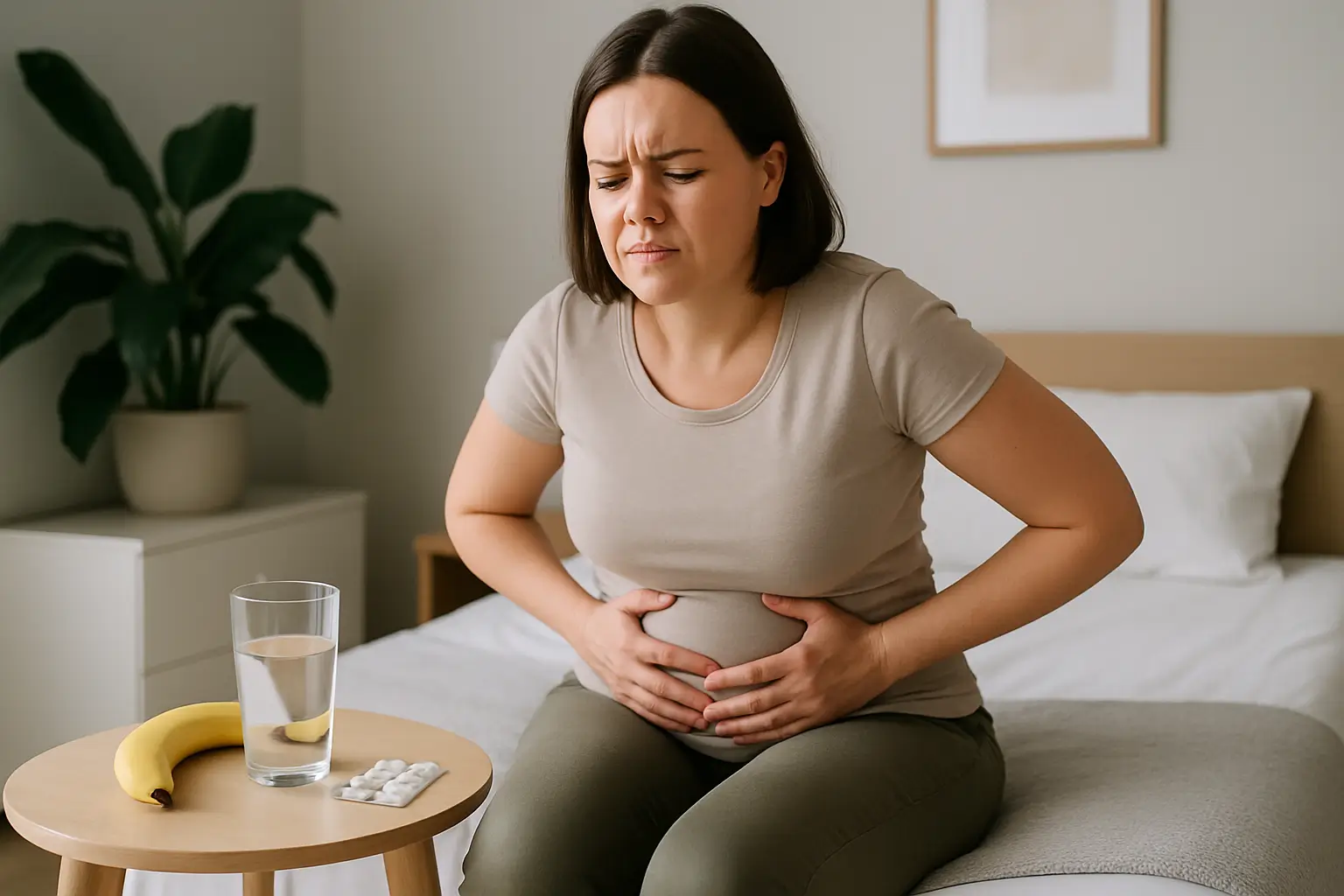
- Temporary experiences may occur in the digestive system
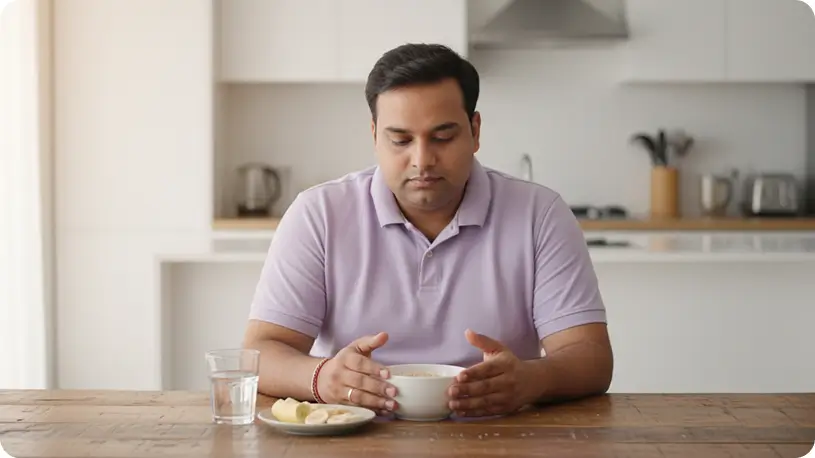
- For nausea , avoid high-fat foods like fried items or processed meats, and instead try whole-grain toast, cereal, or ginger tea
- For heartburn , eat smaller portions and remain upright for at least 2–3 hours after meals. Baking or steaming foods is better than deep frying. Also, avoid spices such as black pepper, chili, and garlic
- For constipation , increase both soluble fiber (oats, apples) and insoluble fiber (vegetable skins, nuts), and drink plenty of water. Over-the-counter stool softeners or laxatives may also help
L – Liquid intake
- These medications can increase the risk of dehydration
- Aim to drink 2 to 3 liters (8–12 cups) of fluid daily, mostly water
- Include hydrating foods like cucumbers, watermelon, and soups
- Minimize alcohol, caffeine, and sweetened beverages
Which diets should you avoid?
Extreme calorie restriction is discouraged. Combining very low-calorie diets with GLP-1 or GIP/GLP-1 agonists can worsen dehydration, cause fatigue, and increase risk of kidney problems. It may also deprive the body of essential nutrients.
Strict vegan diets may also be risky if they lack vitamin B12, iron, or adequate protein. A balanced, nutrient-dense eating plan is generally considered ideal.
Do you need supplements?
For most people, a well-balanced diet is better than relying on supplements. However, depending on your health and diet, your doctor may recommend some health supplements.
The role of exercise
Medication and diet are two important parts of the entire picture. To preserve muscle and support long-term results, exercise is essential. A 3-step approach works best:
1. Increase moderate activity
- Start with 10 minutes of brisk walking daily
- Build up gradually to 150 minutes of moderate activity per week
2. Add strength training
- Aim for 2–3 sessions per week, 30 minutes each
- Use resistance bands, weights, or bodyweight exercises like squats and lunges
3. Maintain progress
- Continue with 30–60 minutes of daily activity
- Keep up with regular strength training sessions
Long-term expectations and weight regain
With obesity being chronic, halting therapy can mean weight returns. However, this can be reduced by maintaining healthy eating habits, regular physical activity, and protein intake.
Aim for:
- Start with 30 minutes of activity daily and gradually build up to 60 minutes.
- 2–3 strength training sessions weekly
- Consistent attention to portion sizes and nutrition
Starting with a GLP-1 or dual GIP/GLP-1 agonist can be a positive step toward managing obesity and improving health. These medicines support weight loss, but their best results come when paired with balanced eating, adequate hydration, and regular exercise.
By following the MEAL plan, avoiding extreme diets, and staying active, you can minimize side effects and maintain long-term benefits. Remember, these treatments are most effective when used as part of an ongoing partnership with your doctor.